The Full Story

Centuries of Thunder

From medieval fortress to beloved daily ritual — the complete history of Zagreb's noon cannon.

The Tower on Grič

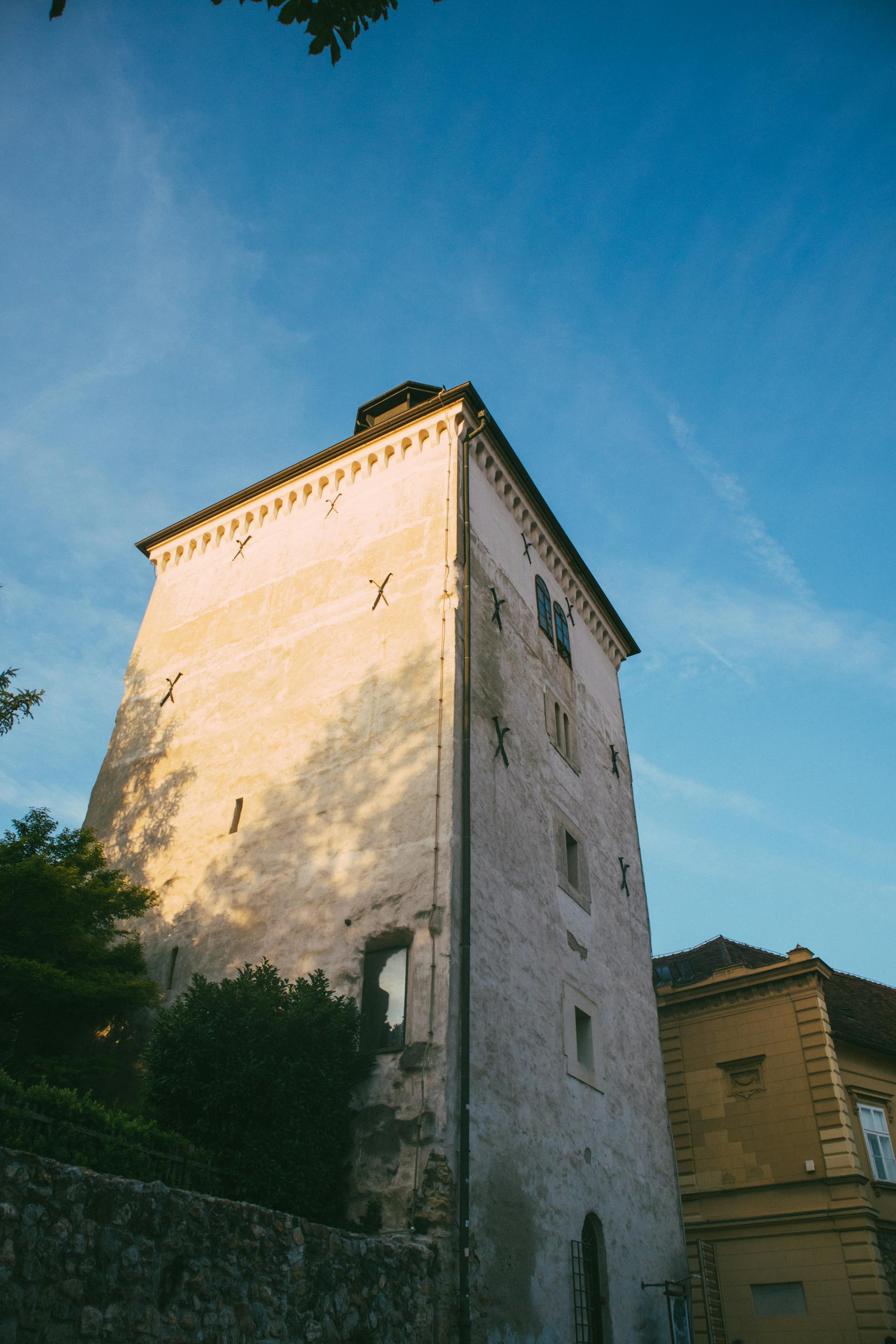
Lotrščak Tower, Zagreb
Pham Ngoc Anh via Pexels

The story of the Grički top begins not with a cannon, but with a tower. Lotrščak Tower (Kula Lotrščak) was built around 1266 as part of the southern fortifications of Gradec — the medieval free royal city that today forms Zagreb's Upper Town (Gornji grad).

The tower's name likely derives from the Latin campana latrunculorum — "the thieves' bell." Each evening, a bell in the tower would ring to warn citizens that the city gates were about to close. Anyone caught outside after the bell was at the mercy of thieves and highwaymen roaming the surrounding countryside.

Originally four stories tall with a wooden upper level, the tower was rebuilt and modified several times over the centuries. Its strategic position on the southern cliff of Grič hill gave it commanding views over the lower city and the Sava river valley — a view that visitors still enjoy today.
Birth of a Tradition

In the 1870s, Zagreb was growing rapidly. Churches dotted the expanding cityscape, and their bells rang for noon — but never quite at the same time. Each bell-ringer relied on their own clock, and clocks, as any 19th-century citizen knew, were imprecise and unreliable.

Enter Đuro Deželić, a Zagreb city councilman, writer, and man of ideas. He proposed an elegant solution: a cannon shot at noon — loud enough to be heard across the entire city — would give every bell-ringer a shared, unmistakable signal to begin their chimes.

On January 1, 1877, the first shot was fired. Not from the Lotrščak Tower, but from the building of the Royal Gymnasium on Grič hill (today's Hydrometeorological Institute). The tradition had begun.

By 1892, the cannon was moved to the Lotrščak Tower — a far more fitting home, both acoustically and symbolically. The tower's elevated position ensured the blast carried across the city, and its ancient walls gave the tradition a sense of permanence.

Through Wars and Silence

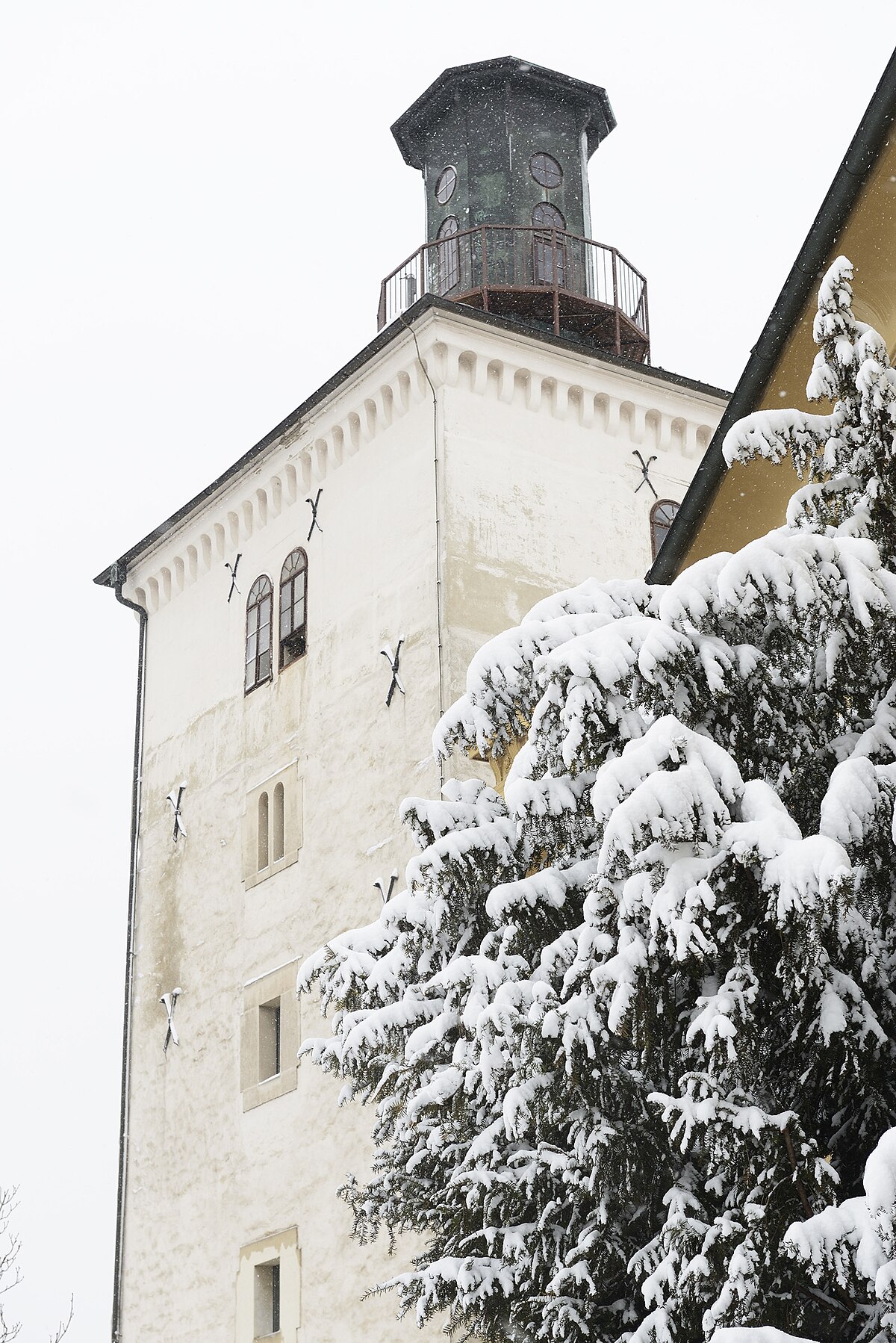
Lotrščak Tower in winter snowstorm
Boris Stromar, CC BY-SA 4.0 via Wikimedia Commons

The cannon faithfully marked noon for nearly four decades — until World War I arrived in 1914. City officials ordered the cannon silenced, claiming the daily blast was making them too nervous to work in wartime conditions. (One can only imagine what the actual bombardments did to their nerves.)

For 14 long years, from 1914 to 1928, Zagreb's noon passed in silence. A generation grew up without the familiar boom. But memory persisted, and in 1928, the tradition was revived — to great public joy.

The cannon continued through the turmoil of World War II, through Yugoslavia, through independence. It has survived every political upheaval because it belongs to none of them — it belongs to Zagreb.

The Five Cannons

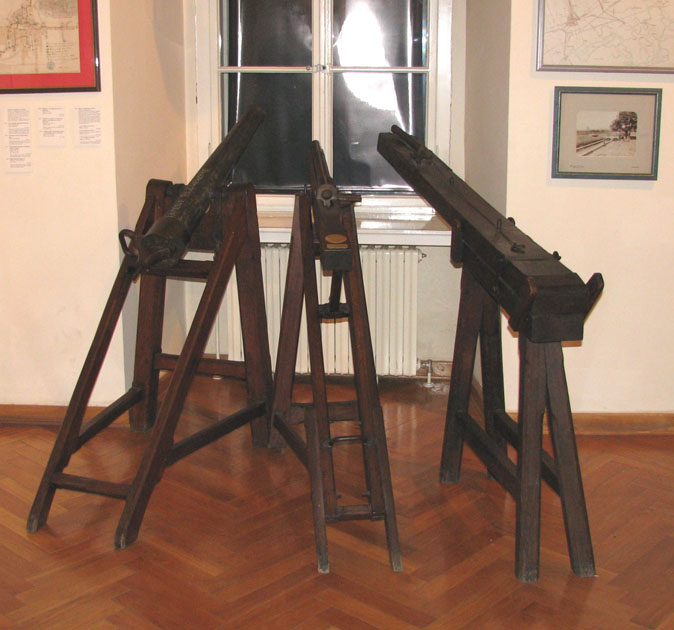
Three historical noon cannons in the Zagreb City Museum
Zagreb City Museum, Public Domain

Few visitors realize that the cannon they hear today is not the original. Over nearly 150 years, five different cannons have served as the Grički top. Each was retired due to wear, damage, or the simple passage of time.

The current cannon — the fifth — was obtained from the Yugoslav National Army specifically for the 1987 Summer Universiade, the international university sports games held in Zagreb. It has been firing daily ever since, making it by far the longest-serving of the five.

The cannon fires blank charges — no cannonball leaves the barrel. The blast is pure sound: a declaration, not a weapon. It takes a dedicated crew to maintain the tradition, loading the cannon each morning and firing it at the exact moment the clock strikes twelve.

Complete Timeline

1242

Gradec becomes a free royal city

King Béla IV grants Gradec the status of a free royal city after the Mongol invasion, spurring the construction of fortifications.

1266

Lotrščak Tower is built

Erected as part of Gradec's southern defenses. The "thieves' bell" rings nightly to warn citizens of the gate closure.

1857

Tower renovation

The tower is renovated and a fourth floor with a viewing terrace is added, giving it its current silhouette.

1877

The first cannon shot

January 1 — Đuro Deželić's initiative begins. The cannon fires at noon from the Royal Gymnasium building on Grič.

1892

Moved to Lotrščak Tower

The cannon is permanently installed in the tower, where its blast carries even further across the city.

1914

Silenced by World War I

The cannon falls silent for the duration of the war and the uncertain years that follow.

1928

Tradition restored

After 14 years of silence, the noon cannon returns to great public acclaim.

1987

The fifth cannon

A new cannon is acquired from the Yugoslav National Army for the Summer Universiade. It remains in service today.

2020

Surviving the earthquake

The devastating Zagreb earthquake damages many historic buildings, but the tower and the tradition stand firm. The cannon fires at noon the very next day.

Plan your visit Play the games